In response, many armed forces have begun developing the concept of “flexible military bases.” These bases emphasize mobility, adaptability, and rapid deployment, allowing for swift construction and dismantling while integrating with the surrounding environment. As such, they represent an alternative model to conventional defense infrastructure, combining lower construction costs and accelerated deployment timelines with acceptable levels of protection and operational capability.
This article examines the key characteristics of flexible military bases, their principal types, and the materials and technologies used in their construction. It then explores the potential applicability of this model within the Syrian context, particularly in light of the complex and evolving security challenges facing the country.
Core Characteristics of Flexible Military Bases
Flexible military bases are defined by a set of characteristics that make them particularly suited to contemporary conflict environments, where the effectiveness of large, fixed installations has diminished in the face of precision-strike capabilities. The first of these characteristics is mobility and rapid deployment. Facilities and operational units are designed so they can be transported by air or land and reassembled at different locations within a short period of time. This capability provides military forces with greater flexibility in repositioning and enables them to shift locations in order to reduce detectability and targeting by adversaries1.
This concept has been developed by the United States Department of Defense within the framework of the Agile Combat Employment doctrine in the Pacific region. The approach allows air units to relocate between multiple bases in order to mitigate the risk of Chinese missile strikes and maintain operational readiness and survivability.
A second defining feature is scalability, allowing bases to expand or contract depending on operational requirements. A base may initially be established as a small support unit for patrols or special operations, and subsequently expand to include facilities such as a field hospital or helicopter landing site as operational needs evolve2. The concept is based on dispersion rather than centralization, meaning the establishment of a network of smaller operational nodes instead of relying on a single large central base.
The concept is based on dispersion rather than centralization, meaning the establishment of a network of smaller operational nodes.
Such dispersion reduces the strategic value of individual targets and increases the cost and complexity of enemy attacks. This approach has been adopted by the NATO in Eastern Europe following the Russian invasion of Ukraine, where NATO forces deployed distributed flexible positions across Poland and the Baltic states rather than concentrating forces in large, easily targeted bases.3.
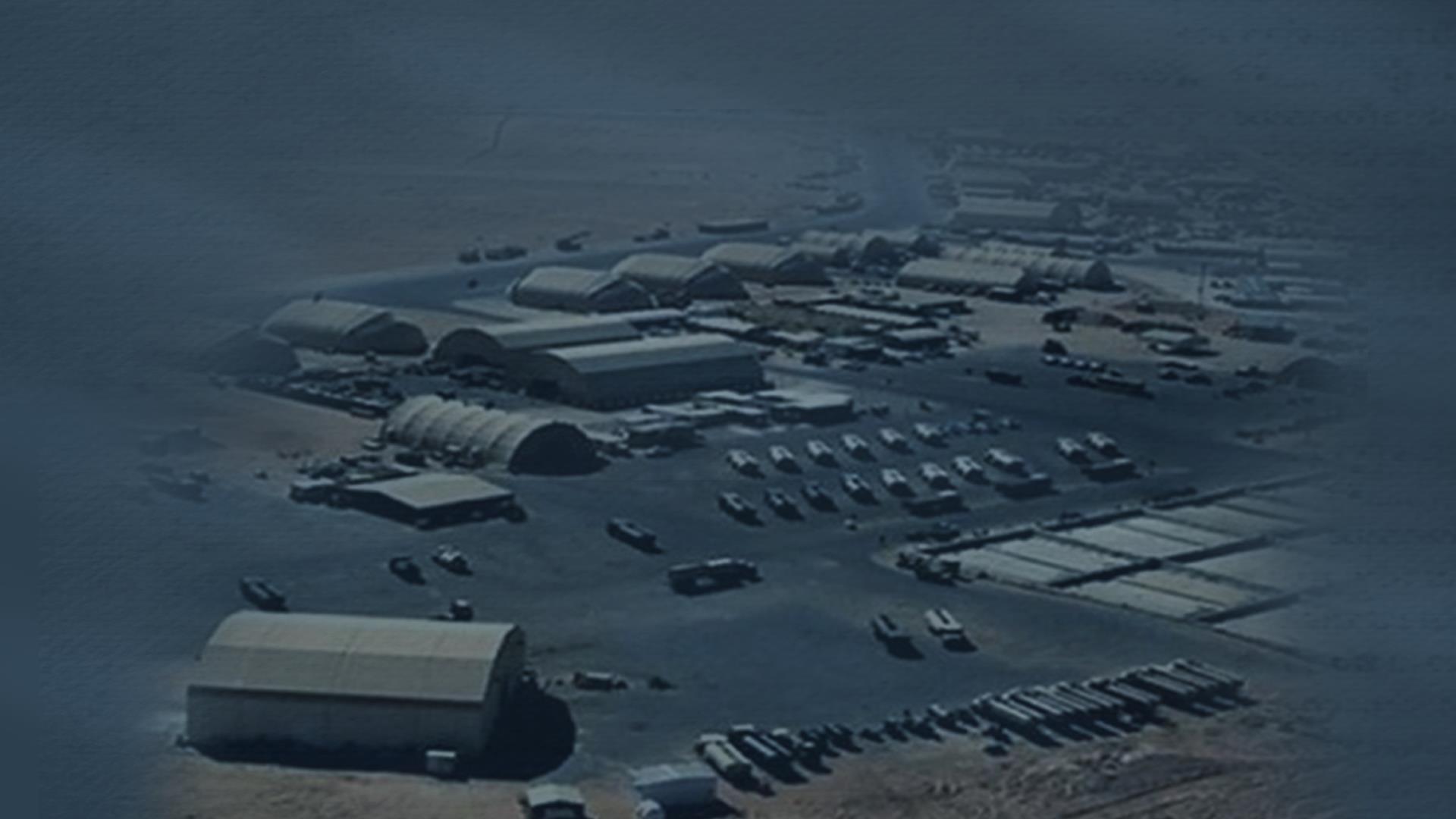
Another essential characteristic of flexible bases is reduced logistical footprint and enhanced concealment. Construction typically relies on rapid-deployment materials and modular systems, including inflatable structures, prefabricated containers, and fast-setting concrete. These materials reduce the volume of heavy equipment required and help limit the base’s visibility in satellite imagery and aerial reconnaissance4. For example, U.S. forces operating in Iraq and Afghanistan employed what are known as Expeditionary Shelter Systems, inflatable shelters and modular container structures, to establish forward operating bases within a matter of days, with the added ability to dismantle and relocate them when operational circumstances required.5.
Similarly, French forces deployed in Mali relied on reinforced tents and prefabricated container units to minimize the logistical and visual footprint of military deployments in open desert environments.6. Finally, flexible bases are characterized by their ability to integrate with the surrounding environment, drawing on local architecture, materials, or resources where feasible. This approach reduces operational costs while also enhancing local acceptance and minimizing the visible footprint of military presence.
Main Types of Flexible Military Bases
Flexible military bases can be classified into several principal types that differ in structure and function, yet share a common objective: enhancing operational maneuverability while reducing vulnerability to targeting. The first type consists of Temporary Forward Operating Bases (FOBs). These are rapidly established sites designed to support time-limited operations, such as border patrols or special missions. They typically rely on prefabricated containers or inflatable structures that can be assembled quickly and dismantled within days or weeks7.
A similar model was employed by the Turkish Armed Forces in northern Syria following Operation Euphrates Shield. During this period, Turkish forces established forward deployment points in the northern Aleppo countryside using modular units and mobile containers to support patrols and special operations. Some of these installations were later dismantled or upgraded into more permanent positions.8 This transition leads to the second category: Hybrid or Semi-Permanent Bases. These bases combine elements of stability and essential infrastructure with a degree of operational mobility. They are typically constructed using more durable materials and may include facilities such as storage depots or command centers, while still being designed so that their scale can be expanded or reduced depending on operational requirements.9.
Flexible military bases can be classified into several principal types that differ in structure and function.
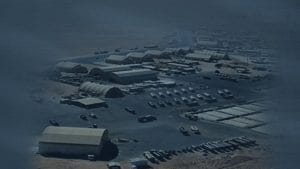
A comparable model has been utilized by the United States Armed Forces at Al‑Tanf Garrison in the Syrian desert, where the base provides operational support in a remote environment exposed to persistent security threats, illustrating the practical viability of this model in similar operational settings.
The third type consists of Dispersed or Distributed Bases, where smaller units are deployed across multiple locations rather than concentrated in a single central installation. This structure significantly reduces the likelihood that air or ground capabilities can be neutralized through a single strike and enhances the force’s ability to reposition and redeploy quickly.10.
The concept of distributed basing has not been limited to land forces. In recent decades, a related model has emerged in the form of advanced maritime or coastal bases, known as Expeditionary Advanced Base Operations, developed by the United States Marine Corps. Under this approach, small operational sites are established on islands or coastal areas to support naval and air operations, relying primarily on concealment, mobility, and operational flexibility rather than heavy defensive fortifications.
Materials and Technologies Used in Constructing Flexible Bases
Flexible military bases require innovative construction solutions, as the objective is not to establish permanent facilities but rather to create practical infrastructure that can be rapidly assembled, dismantled, or relocated in accordance with operational needs. One of the most widely used construction elements is containerized units. These prefabricated modules can serve multiple functions, including living quarters, command offices, and small medical facilities, while offering the advantage of easy transport by truck or aircraft.11.
Another key component is the use of inflatable shelters, manufactured from durable synthetic fabrics. These structures are commonly employed as aircraft storage facilities or temporary maintenance centers, and are valued for their lightweight design and rapid deployment capabilities12. In more demanding environments, rapid-setting concrete and composite materials such as fiberglass and carbon fiber have gained increasing importance. These materials enable the rapid construction of short aircraft runways, protective fortifications, or other operational structures within a matter of hours.13.
Flexible military bases require innovative construction solutions, as the objective is not to establish permanent facilities.
Flexible bases also frequently rely on modular construction systems, composed of standardized components that can be easily assembled and disassembled. This modular approach allows bases to expand or contract depending on operational requirements, without necessitating a complete reconstruction of infrastructure.14.
In terms of energy supply, many modern armed forces have adopted alternative energy systems, including solar panels and hybrid generators, in order to reduce reliance on extended logistical supply chains and enhance the sustainability and autonomy of deployed bases.
In addition, digital solutions are increasingly integrated into these installations. Portable surveillance systems and wireless tactical networks enable flexible bases to maintain command-and-control functions even under conditions of operational isolation.
Finally, there has been a growing trend toward utilizing locally available resources and indigenous materials. The use of materials such as compressed earth or locally sourced timber for supporting structures can significantly reduce logistical costs while also improving the base’s integration with its surrounding environment.
Applicability of Flexible Bases in the Syrian Context
The nature of the conflict and the prevailing security and military challenges in Syria create a strategic environment in which flexible bases may represent a more viable option than reliance on traditional military installations. Repeated Israeli strikes against fixed and well-known facilities have exposed the vulnerability of the centralized base model and underscored the need for military infrastructure capable of dispersion, concealment, and operational adaptability.
Under the former regime, many military bases occupied large geographical areas, often established on land previously owned by civilians. This practice imposed significant social and economic burdens on surrounding communities. Moreover, the architectural philosophy behind these installations reflected the priorities of the former regime, which focused primarily on internal territorial control, rather than addressing a broader spectrum of external and internal security threats. A restructured Syrian military therefore requires a different infrastructure model aligned with contemporary security realities.
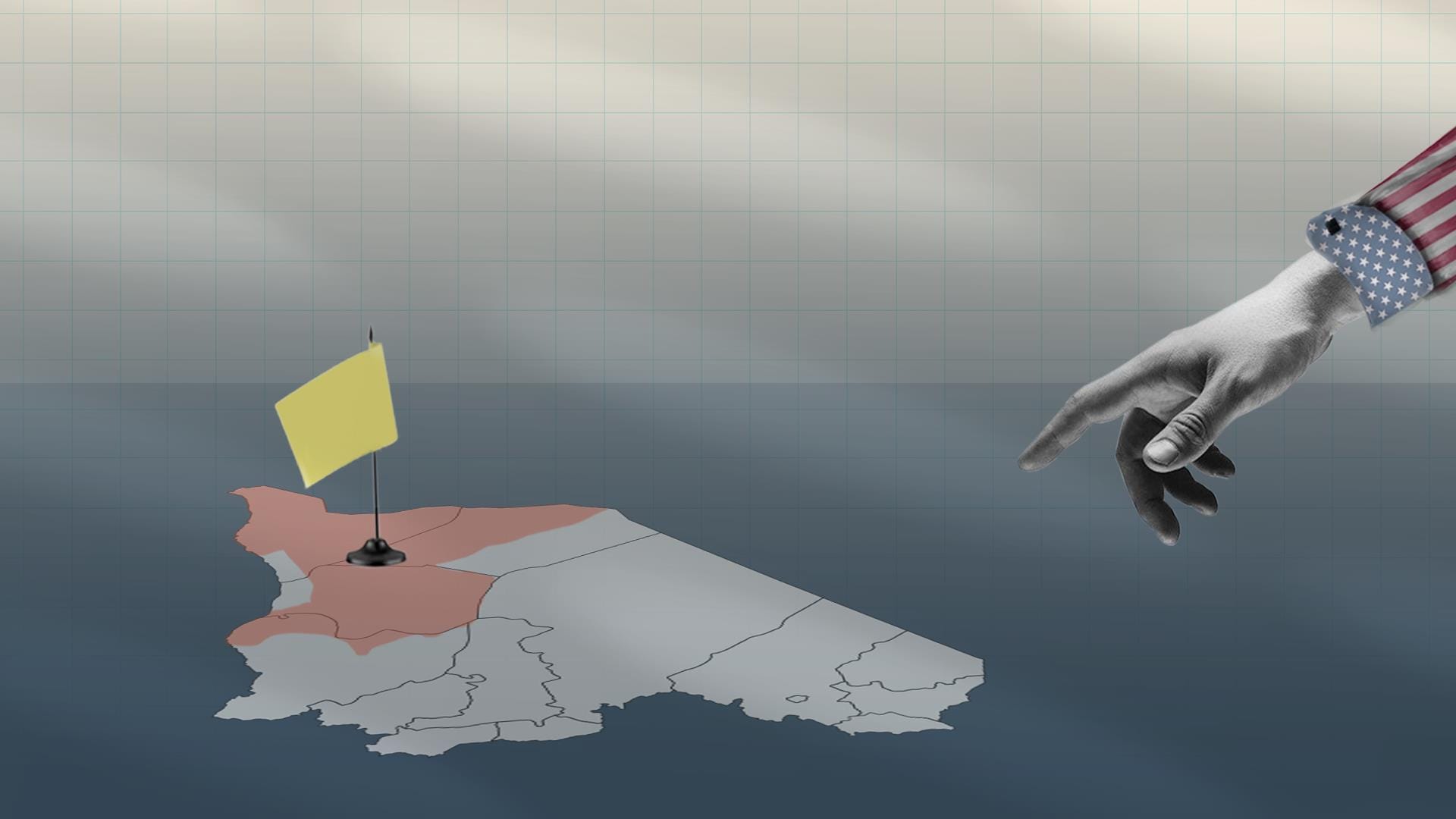
At the domestic level, the Syrian army could benefit from adopting distributed basing models in the northeast, where Syrian Democratic Forces maintain significant influence. A dispersed network of smaller installations could reduce the risks associated with concentrating military capabilities in a limited number of locations.
In southern Syria, where armed formations affiliated with Hajri militias and other locally aligned groups operate alongside the persistent security challenge posed by Israel, the adoption of flexible or hybrid bases could help strengthen security oversight while maintaining the operational mobility necessary for repositioning in response to shifting alignments. Such a structure would also help mitigate potential losses resulting from air or missile strikes by Israeli forces.
The nature of the conflict in Syria creates a strategic environment in which flexible bases may represent a more viable option than reliance on traditional military installations.
Along the coastal region, where remnants of armed groups continue to pose intermittent security risks, the establishment of multiple small, flexible positions could help contain potential threats without committing significant resources to a single large installation.
More broadly, implementing the flexible base model in Syria could offer a practical pathway for rebuilding a military institution capable of adapting to both internal and external pressures. Such an approach would restore the national army’s primary function, defending the state and society, rather than leaving it exposed as a static target in an open conflict environment. Repeated Israeli air and missile strikes against large and well-known military bases have demonstrated the limitations of even heavily fortified installations, which have struggled to withstand the enemy’s advanced precision-strike capabilities.
Conclusion
International experience indicates that flexible military bases have evolved from a secondary option into a strategic necessity, driven by the changing character of modern warfare. In contemporary conflicts, adaptability and operational maneuverability increasingly outweigh the traditional emphasis on static fortification. In the Syrian context, where external threats intersect with internal divisions, the adoption of this model offers an opportunity to reframe the country’s defensive doctrine on more realistic and adaptive foundations.
Accordingly, integrating flexible bases alongside central military installations could provide the Syrian army with both resilience and operational initiative. In this framework, flexible bases become a strategic instrument for rebuilding the military institution in a manner consistent with the country’s geography and evolving threat environment, transforming military infrastructure from a vulnerable static burden into a mobile defensive network capable of supporting long-term national stability and security.